Inspection before Dispatch — Brand Locked Original Pods for Export
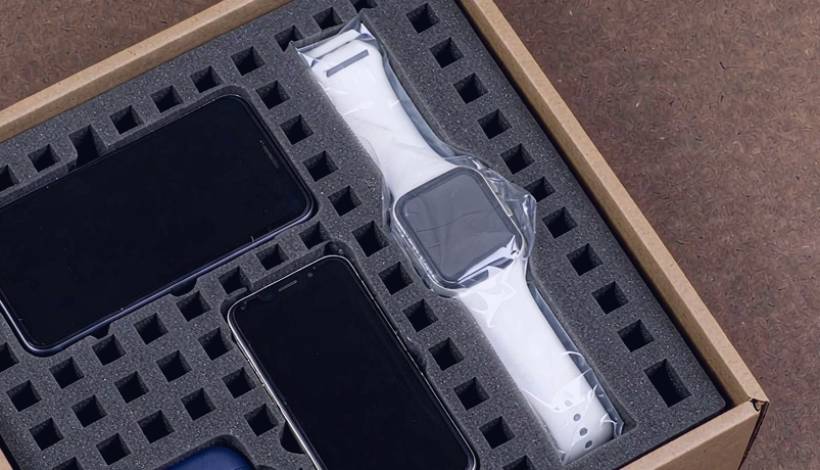
Brand Locked Original Pods looks straightforward until you start comparing quotations. Then the variables appear: carton sizes, labelling rules, tolerances, freight terms. The notes below walk through them in the order a real order encounters them.
Who Buys Brand Locked Original Pods and Why
Demand for Brand Locked Original Pods rarely comes from a single customer type. Some distributors want steady replacement stock, others want something seasonal they can merchandise for six weeks. Those two buying patterns need different carton sizes and different delivery windows, so it is worth separating them when you plan.
The buyers behind Brand Locked Original Pods orders are usually pragmatic. They care about whether the product sells through, whether it arrives intact, and whether the next shipment will match the last one. Everything else is secondary, which is why consistency beats novelty in most reorder conversations.
Minimum Order Quantities and Carton Planning
MOQ on Brand Locked Original Pods is usually set by whatever makes a production run efficient, not by any fixed rule. If your requirement is below the standard minimum, ask whether a mixed carton or a shared production slot is possible instead of accepting a large surplus you cannot sell through.
Plan Brand Locked Original Pods cartons around how the goods will actually be handled: how many times they are transferred, what the last leg looks like, and whether the carton will be opened for inspection. Those answers matter more to damage rates than the carton grade on paper.
Carton planning decides whether Brand Locked Original Pods arrives in a condition you can sell. Under-filled cartons deform in transit; over-filled ones split at the seams. Aim for a fill that leaves the carton rigid without compressing the product, and check the stacking height against your pallet pattern.
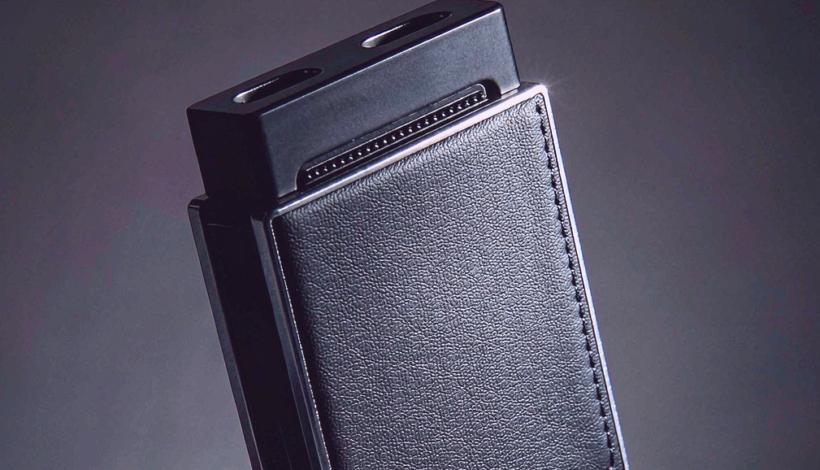
Pricing Structure and Where The Money Goes
Unit price is only part of what Brand Locked Original Pods costs you. Tooling, labelling, carton packing, inland haulage, port charges and payment fees all sit on top. A quotation that looks 18 percent cheaper can reverse once those lines are added, so compare landed cost, not the headline number.
Price breaks on Brand Locked Original Pods usually step at carton, pallet and container levels rather than sliding smoothly. Knowing where those steps sit tells you whether adding another 2 units actually improves your margin or just ties up cash in the warehouse.
Common Mistakes Buyers Make
Skipping the carton check is a close second. Packaging failures on Brand Locked Original Pods shipments rarely show up as a visible defect; they show up as scuffed retail units that will not sell at full price. Open a few cartons at random before signing off.
The third mistake is treating the first order as the final specification. Brand Locked Original Pods improves once you feed back what the market did with it. Buyers who treat the first shipment as a test and the second as the real order usually end up with better margins.
The most expensive mistake with Brand Locked Original Pods is ordering the full quantity before evaluating a sample. Production samples, not showroom units, are what you will receive. Run the sample through the handling it will actually face and only then commit.
| Check Point | Method | Acceptance Criteria |
|---|---|---|
| Carton count | Physical count | Must match the packing list exactly |
| Appearance | Random sampling | Defect rate below the agreed threshold |
| Function check | Sampled units | Consistent with the approved sample |
| Packaging integrity | Drop and seal check | No deformation at arrival |
Quality Control Steps That Catch Problems Early
The most useful QC report for Brand Locked Original Pods is a boring one: carton count, defect rate by category, photographs of the packing method, and a clear pass or fail. Narrative reports that hedge are far less useful than a simple count you can hold someone to.
Inspection works when it happens before shipment. A pre-shipment check on Brand Locked Original Pods covering quantity, appearance, function and packaging typically takes a day and costs a fraction of a return. Book it early enough that a failed report still leaves time to rework.
Storage, Handling and Shelf Life
Warehouse conditions matter more for Brand Locked Original Pods than most buyers assume. A few degrees of temperature difference over a summer changes how the product presents on the shelf. If you are storing through a hot season, plan for it rather than discovering it in returns.
Brand Locked Original Pods degrades in predictable ways: heat, light and time. Store in a cool, dry place away from direct sunlight and rotate stock by production date. Those two habits prevent most of the quality complaints that get blamed on the factory.
Good stock rotation on Brand Locked Original Pods is simple: label by arrival date, pick oldest first, and keep a small buffer that is never touched. That buffer is what stops an unexpected demand spike from turning into an emergency air shipment.
Building A Repeatable Replenishment Cycle
Scheduled replenishment for Brand Locked Original Pods gives you leverage you do not get with ad-hoc orders. A supplier who can see your next four shipments will prioritise your production slot, and that priority is worth more than a small discount.
Most importers of Brand Locked Original Pods who move to a fixed monthly cycle report the same benefit: fewer emergencies. The total volume ordered barely changes, but the number of urgent shipments drops sharply.
- Use one approved sample reference for every repeat order
- Book inspection while there is still time to rework
- Compare landed cost, not headline unit price
- Agree the specification in writing before sampling Brand Locked Original Pods
- Split very large Brand Locked Original Pods orders across production slots
Ready to compare Brand Locked Original Pods properly? Tell us the volume, the destination and how quickly you need it, and we will put a quotation together with the packaging and freight lines shown separately so you can see exactly where the money goes.
Frequently asked questions
How is Brand Locked Original Pods packed for export?
Packing depends on the product and route, but the principle is the same: inner protection, a rigid master carton and a pallet pattern that survives handling. We can send photographs of the packing method before dispatch.
Can you handle repeat or scheduled Brand Locked Original Pods orders?
Yes, and it suits both sides. A scheduled cycle lets us reserve production capacity, which shortens lead times and makes pricing more stable than ad-hoc ordering.
What is the best way to start a Brand Locked Original Pods enquiry?
The most useful starting message is short: product, approximate quantity, destination and target timing. With those four pieces of information we can usually respond with real options the same working day.
What documentation comes with a Brand Locked Original Pods shipment?
A standard shipment includes commercial invoice, packing list and certificate of origin, with product-specific declarations where the destination requires them. We prepare the set during production so it is ready before the goods arrive.
Are there compliance requirements I should know about for Brand Locked Original Pods?
Requirements vary by destination and they change. We confirm the current position for your market at the point of order and supply the documentation that supports it, but the importer of record remains responsible for local compliance.
Related reading
Talk to us about brand locked original pods bulk
Send us your target quantity, destination and timing. We answer with real options and a landed cost you can compare — normally within one working day.