Custom-Branded Brand Locked Original Pods: Import Documentation Basics
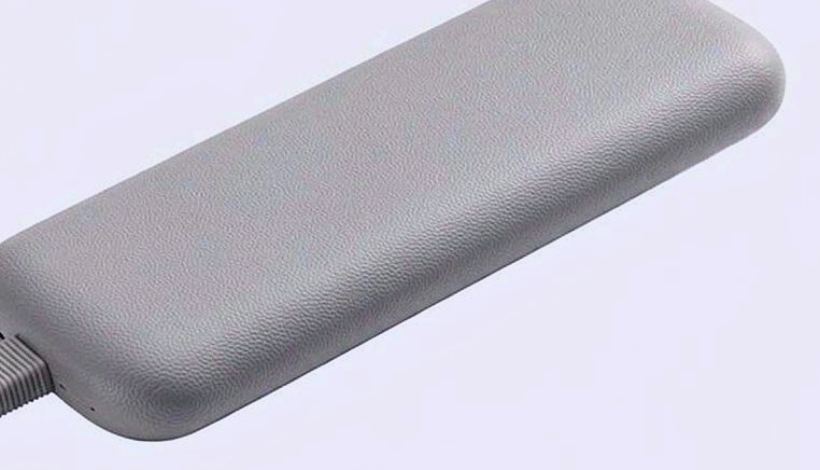
If you are looking at Brand Locked Original Pods for the first time, the number of options can be disorienting. This page sets out the practical detail — what to specify, what it costs to land, and where orders usually go wrong — so you can move from enquiry to shipment without guessing.
Shipping Routes, Transit Time and Freight Options
Transit time for Brand Locked Original Pods depends far more on the route and the season than on the distance. Peak periods add days at both ends, and consolidations add handling. Build the realistic window into your reorder point rather than the best case the forwarder quotes.
Choosing between sea, air and express for Brand Locked Original Pods is a margin question, not a speed question. Sea freight protects unit economics on planned volume; air rescue shipments protect shelf availability. Most importers end up using both, and planning for that is cheaper than improvising.
Documentation Set You Should Request
Good documentation on Brand Locked Original Pods tells you who made the goods, when, and to what specification. That matters for traceability if a batch is ever questioned, and it matters for your own stock rotation.
Ask for a complete document set with Brand Locked Original Pods: invoice, packing list, origin certificate, batch identification and any product-specific test reports. Requesting them during production is routine; requesting them after arrival is a problem.
Keep a single folder per Brand Locked Original Pods shipment: quotation, approved sample reference, inspection report and shipping documents. Six months later, when you are reordering, that folder is the fastest way to repeat a good result.
Building A Repeatable Replenishment Cycle
Most importers of Brand Locked Original Pods who move to a fixed monthly cycle report the same benefit: fewer emergencies. The total volume ordered barely changes, but the number of urgent shipments drops sharply.
A repeatable cycle for Brand Locked Original Pods has three inputs: weekly sell-through, lead time and buffer. Once those are written down, reordering becomes a routine task instead of a decision, and routine tasks are the ones that actually happen.
Who Buys Brand Locked Original Pods and Why
The buyers behind Brand Locked Original Pods orders are usually pragmatic. They care about whether the product sells through, whether it arrives intact, and whether the next shipment will match the last one. Everything else is secondary, which is why consistency beats novelty in most reorder conversations.
shopping mall kiosks tend to reorder Brand Locked Original Pods on a rhythm rather than in one large batch. That rhythm is driven by shelf turnover, seasonal footfall and how quickly a flavour or format goes stale in the local market. Understanding who your end buyer is makes the reorder maths much easier.
Demand for Brand Locked Original Pods rarely comes from a single customer type. Some shopping mall kiosks want steady replacement stock, others want something seasonal they can merchandise for six weeks. Those two buying patterns need different carton sizes and different delivery windows, so it is worth separating them when you plan.
| Specification | Typical Range | Why It Matters |
|---|---|---|
| Unit specification | 8–3 variant range | Defines what the factory must hold |
| Master carton | 10 units per carton | Drives freight cost per unit |
| Production lead time | 8–3 working days | Sets your reorder point |
| Inspection window | 10 day report turnaround | Must fit before vessel cut-off |
Specifications Worth Checking Before You Order
Three specification lines cause most disputes on Brand Locked Original Pods orders: capacity tolerance, material grade and finish consistency. Ask for measured values rather than nominal ones, and request photographs of the actual production batch instead of a catalogue render. It takes an extra day and removes most of the risk.
Write the specification for Brand Locked Original Pods the way a warehouse would check it: what can be counted, weighed or measured in five minutes. That phrasing survives the jump from sales team to production line far better than adjectives do.
Margin Maths for Retailers
Retailers who track Brand Locked Original Pods by margin per shelf metre rather than margin per unit consistently make better range decisions. The product that earns slightly less per unit but turns twice as fast is usually the better use of the space.
Margin on Brand Locked Original Pods is decided at the purchase stage. Landed cost per sellable unit, not unit price, is the number that matters — and it includes freight, duty, shrinkage and the small percentage that never sells at full price.
A useful exercise with Brand Locked Original Pods: calculate what a 8 percent improvement in landed cost does to annual profit, and compare that with what a 8 percent price increase does. The first is usually easier and does not risk volume.
Pricing Structure and Where The Money Goes
Price breaks on Brand Locked Original Pods usually step at carton, pallet and container levels rather than sliding smoothly. Knowing where those steps sit tells you whether adding another 3 units actually improves your margin or just ties up cash in the warehouse.
Most surprises in Brand Locked Original Pods pricing hide in the lines nobody quotes: artwork setup, carton printing plates, extra colourways, and the difference between ex-works and delivered terms. Ask for the quotation split into product, packaging and logistics and the comparison becomes straightforward.
- Confirm labelling rules for the destination at order time
- Compare landed cost, not headline unit price
- Treat the first shipment as a test and the second as the real order
- Agree the specification in writing before sampling Brand Locked Original Pods
- Split very large Brand Locked Original Pods orders across production slots
Questions about Brand Locked Original Pods are usually quicker to answer in a message than in a spec sheet. Send over what you need — quantity, market, timing — and we will tell you honestly whether we are the right fit for it.
Frequently asked questions
How is Brand Locked Original Pods packed for export?
Packing depends on the product and route, but the principle is the same: inner protection, a rigid master carton and a pallet pattern that survives handling. We can send photographs of the packing method before dispatch.
Do you ship Brand Locked Original Pods worldwide?
We ship to most markets by sea, air and express. Where a destination has specific restrictions we will flag them before you order rather than after the goods are in transit.
How do you price Brand Locked Original Pods compared with a trading company?
We quote from the production side, so product, packaging and logistics are listed separately rather than folded into one number. That makes comparison easier and usually shows where a competing quote has hidden its margin.
Can Brand Locked Original Pods be shipped directly to my retail locations?
Direct-to-store is possible in many markets, though consolidation at a single warehouse is usually cheaper and easier to reconcile. We can quote both so you can compare.
Are there compliance requirements I should know about for Brand Locked Original Pods?
Requirements vary by destination and they change. We confirm the current position for your market at the point of order and supply the documentation that supports it, but the importer of record remains responsible for local compliance.
Related reading
Talk to us about brand locked original pods bulk
Send us your target quantity, destination and timing. We answer with real options and a landed cost you can compare — normally within one working day.