Brand Locked Original Pods Trade: Landed Cost for Convenience Stores
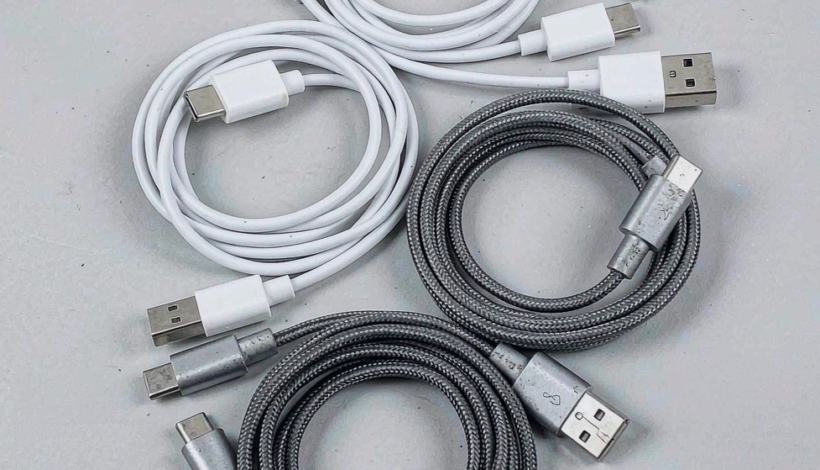
Working through Brand Locked Original Pods properly means answering a handful of unglamorous questions early. Do that and the rest of the order tends to run quietly. The sections below cover those questions in the order they matter.
Who Buys Brand Locked Original Pods and Why
The buyers behind Brand Locked Original Pods orders are usually pragmatic. They care about whether the product sells through, whether it arrives intact, and whether the next shipment will match the last one. Everything else is secondary, which is why consistency beats novelty in most reorder conversations.
Demand for Brand Locked Original Pods rarely comes from a single customer type. Some wholesalers want steady replacement stock, others want something seasonal they can merchandise for six weeks. Those two buying patterns need different carton sizes and different delivery windows, so it is worth separating them when you plan.
Margin Maths for Retailers
Retailers who track Brand Locked Original Pods by margin per shelf metre rather than margin per unit consistently make better range decisions. The product that earns slightly less per unit but turns twice as fast is usually the better use of the space.
Margin on Brand Locked Original Pods is decided at the purchase stage. Landed cost per sellable unit, not unit price, is the number that matters — and it includes freight, duty, shrinkage and the small percentage that never sells at full price.
A useful exercise with Brand Locked Original Pods: calculate what a 10 percent improvement in landed cost does to annual profit, and compare that with what a 10 percent price increase does. The first is usually easier and does not risk volume.
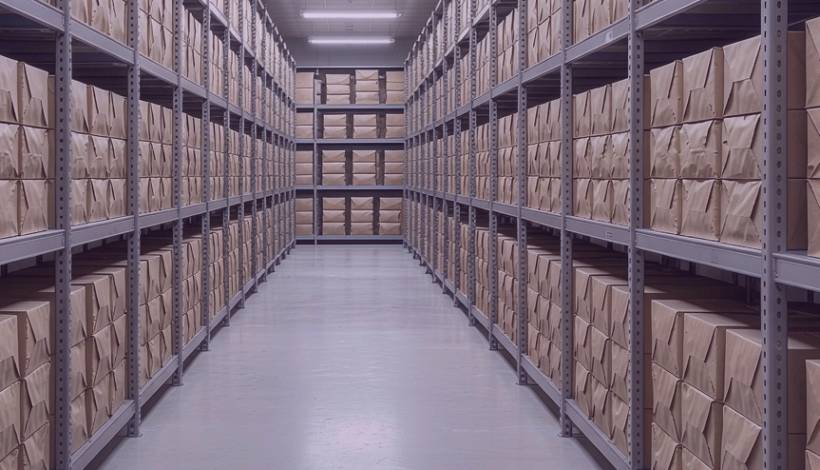
Customs, Duties and Compliance Paperwork
Classification is the decision that shapes everything else on a Brand Locked Original Pods shipment. Duty rate, licence requirements and inspection probability all follow from the code used. If you are unsure, get a written classification opinion before the vessel sails, not after the goods are held.
Paperwork delays cost more than duties on most Brand Locked Original Pods imports. A complete set — commercial invoice, packing list, certificate of origin and any product-specific declaration — should be prepared while the goods are in production, not requested the week of arrival.
Risk Management for Large Shipments
Insurance on Brand Locked Original Pods shipments is inexpensive relative to the exposure, particularly for sea freight where transit is long and handling points are numerous. Confirm what the policy covers and what it excludes before you rely on it.
The simplest risk control for Brand Locked Original Pods is a documented paper trail: approved sample, written specification, inspection report and shipment photographs. When something does go wrong, that file is what turns a dispute into a claim.
Concentrate risk deliberately. Splitting a very large Brand Locked Original Pods order across two production slots costs a little more but protects you against a single bad batch wiping out a season's margin.
| Cost Component | Share of Landed Cost | Notes |
|---|---|---|
| Product cost | 10% of landed cost | Moves with volume and specification |
| Packaging | 7% of landed cost | Higher for retail-ready formats |
| Freight and handling | 9% of landed cost | Route and season dependent |
| Duty and clearance | Destination specific | Follows from classification |
Choosing Between Air, Sea and Express
Sea freight suits planned Brand Locked Original Pods volume, air suits genuine urgency, and express suits samples and small top-ups. Matching the mode to the reason, rather than to the deadline panic, is what keeps freight spend proportionate.
For Brand Locked Original Pods, the break-even between air and sea is mostly about how long your cash is tied up and how quickly the stock turns. Fast-moving lines can justify air; slow ones almost never can.
Building A Repeatable Replenishment Cycle
Most importers of Brand Locked Original Pods who move to a fixed monthly cycle report the same benefit: fewer emergencies. The total volume ordered barely changes, but the number of urgent shipments drops sharply.
Scheduled replenishment for Brand Locked Original Pods gives you leverage you do not get with ad-hoc orders. A supplier who can see your next four shipments will prioritise your production slot, and that priority is worth more than a small discount.
A repeatable cycle for Brand Locked Original Pods has three inputs: weekly sell-through, lead time and buffer. Once those are written down, reordering becomes a routine task instead of a decision, and routine tasks are the ones that actually happen.
Trends Shaping Brand Locked Original Pods This Year
The direction of travel for Brand Locked Original Pods is towards fewer, better-documented products rather than an ever-wider catalogue. Suppliers who can provide consistent documentation are winning orders that used to go purely on price.
2026 has been a year of consolidation for Brand Locked Original Pods. Buyers are trimming ranges and concentrating volume with suppliers who deliver consistently, which favours preparation over improvisation.
- Treat the first shipment as a test and the second as the real order
- Track weekly sell-through to catch the seasonal turn
- Request the full document set during production
- Compare landed cost, not headline unit price
- Agree the specification in writing before sampling Brand Locked Original Pods
Whether you need a single carton to test or a container to fill a season, the process for Brand Locked Original Pods is the same. Reach out with your requirements and we will respond with specifics rather than a brochure.
Frequently asked questions
Can different variants of Brand Locked Original Pods be mixed in one carton?
Mixed cartons are usually possible and are a good option when you are testing a range or working below a per-variant minimum. There is normally a small packing surcharge, which we will show on the quotation.
What documentation comes with a Brand Locked Original Pods shipment?
A standard shipment includes commercial invoice, packing list and certificate of origin, with product-specific declarations where the destination requires them. We prepare the set during production so it is ready before the goods arrive.
What happens if a Brand Locked Original Pods shipment arrives damaged?
Report it within the agreed window with photographs and carton references and we will work through a credit or replacement. This is much faster when an inspection report exists, which is why we recommend one for larger orders.
Do you provide samples of Brand Locked Original Pods before a bulk order?
Samples are available and we recommend them. A small batch rather than a single unit gives a truer picture of production consistency, and the sample cost is normally credited against a confirmed order.
How long does a Brand Locked Original Pods order take to arrive?
Production for Brand Locked Original Pods commonly runs two to four weeks depending on specification and packaging, with transit added on top. Sea freight adds several weeks, air considerably less. We quote a realistic window rather than a best case.
Related reading
Talk to us about brand locked original pods bulk
Send us your target quantity, destination and timing. We answer with real options and a landed cost you can compare — normally within one working day.