Brand Locked Original Pods Purchasing: Compliance Checklist
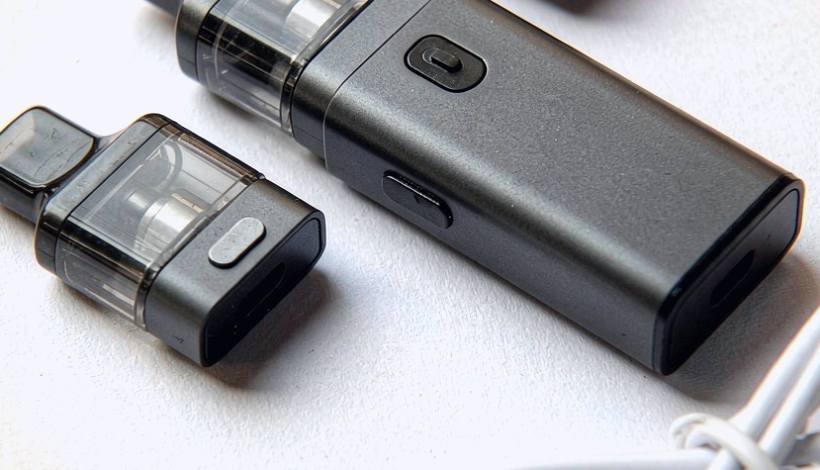
Working through Brand Locked Original Pods properly means answering a handful of unglamorous questions early. Do that and the rest of the order tends to run quietly. The sections below cover those questions in the order they matter.
OEM and Private Label Possibilities
Private label on Brand Locked Original Pods usually starts with artwork and ends with tooling. In between sit choices about colourways, packaging structure and minimum runs per variant. Understanding which of those carry a setup cost tells you how far you can differentiate without inflating the first order.
OEM work on Brand Locked Original Pods is most cost-effective when you change what the factory can already do. A different colour, a printed logo or a reworked carton costs far less than a new mould, and it gets you a recognisable product much faster.
Who Buys Brand Locked Original Pods and Why
The buyers behind Brand Locked Original Pods orders are usually pragmatic. They care about whether the product sells through, whether it arrives intact, and whether the next shipment will match the last one. Everything else is secondary, which is why consistency beats novelty in most reorder conversations.
Demand for Brand Locked Original Pods rarely comes from a single customer type. Some retail chains want steady replacement stock, others want something seasonal they can merchandise for six weeks. Those two buying patterns need different carton sizes and different delivery windows, so it is worth separating them when you plan.
retail chains tend to reorder Brand Locked Original Pods on a rhythm rather than in one large batch. That rhythm is driven by shelf turnover, seasonal footfall and how quickly a flavour or format goes stale in the local market. Understanding who your end buyer is makes the reorder maths much easier.
What Brand Locked Original Pods Actually Covers
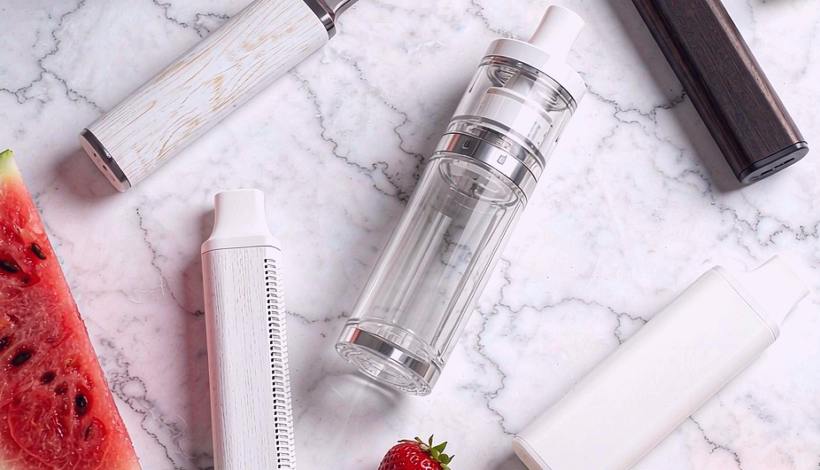
Before comparing prices, it helps to agree on what counts as Brand Locked Original Pods. In day-to-day trade the term covers a fairly wide band of products, and two suppliers can quote very different things under the same label. Ask for a specification sheet that lists materials, dimensions and what is included in each unit, then compare that against what actually arrives in the carton.
The phrase Brand Locked Original Pods gets used loosely in export enquiries, which is why quotations sometimes look impossible to compare. One factory may price a bare unit while another includes retail packaging, labelling and a master carton. Getting the scope written down first saves a round of emails and, more importantly, stops you from discovering the difference after the goods land.
Documentation Set You Should Request
Good documentation on Brand Locked Original Pods tells you who made the goods, when, and to what specification. That matters for traceability if a batch is ever questioned, and it matters for your own stock rotation.
Keep a single folder per Brand Locked Original Pods shipment: quotation, approved sample reference, inspection report and shipping documents. Six months later, when you are reordering, that folder is the fastest way to repeat a good result.
Ask for a complete document set with Brand Locked Original Pods: invoice, packing list, origin certificate, batch identification and any product-specific test reports. Requesting them during production is routine; requesting them after arrival is a problem.
| Cost Component | Share of Landed Cost | Notes |
|---|---|---|
| Product cost | 12% of landed cost | Moves with volume and specification |
| Packaging | 5% of landed cost | Higher for retail-ready formats |
| Freight and handling | 12% of landed cost | Route and season dependent |
| Duty and clearance | Destination specific | Follows from classification |
Pricing Structure and Where The Money Goes
Unit price is only part of what Brand Locked Original Pods costs you. Tooling, labelling, carton packing, inland haulage, port charges and payment fees all sit on top. A quotation that looks 12 percent cheaper can reverse once those lines are added, so compare landed cost, not the headline number.
Most surprises in Brand Locked Original Pods pricing hide in the lines nobody quotes: artwork setup, carton printing plates, extra colourways, and the difference between ex-works and delivered terms. Ask for the quotation split into product, packaging and logistics and the comparison becomes straightforward.
Minimum Order Quantities and Carton Planning
Carton planning decides whether Brand Locked Original Pods arrives in a condition you can sell. Under-filled cartons deform in transit; over-filled ones split at the seams. Aim for a fill that leaves the carton rigid without compressing the product, and check the stacking height against your pallet pattern.
MOQ on Brand Locked Original Pods is usually set by whatever makes a production run efficient, not by any fixed rule. If your requirement is below the standard minimum, ask whether a mixed carton or a shared production slot is possible instead of accepting a large surplus you cannot sell through.
Plan Brand Locked Original Pods cartons around how the goods will actually be handled: how many times they are transferred, what the last leg looks like, and whether the carton will be opened for inspection. Those answers matter more to damage rates than the carton grade on paper.
Margin Maths for Retailers
Retailers who track Brand Locked Original Pods by margin per shelf metre rather than margin per unit consistently make better range decisions. The product that earns slightly less per unit but turns twice as fast is usually the better use of the space.
A useful exercise with Brand Locked Original Pods: calculate what a 12 percent improvement in landed cost does to annual profit, and compare that with what a 12 percent price increase does. The first is usually easier and does not risk volume.
- Track weekly sell-through to catch the seasonal turn
- Book inspection while there is still time to rework
- Split very large Brand Locked Original Pods orders across production slots
- Keep a reorder calendar instead of reacting to stockouts
- Ask which components are stocked as spares
We keep the ordering process for Brand Locked Original Pods deliberately simple: agree the specification, approve a sample, confirm the carton plan, then ship. If that sounds like the way you prefer to work, get in touch with your requirements.
Frequently asked questions
How do you price Brand Locked Original Pods compared with a trading company?
We quote from the production side, so product, packaging and logistics are listed separately rather than folded into one number. That makes comparison easier and usually shows where a competing quote has hidden its margin.
How long does a Brand Locked Original Pods order take to arrive?
Production for Brand Locked Original Pods commonly runs two to four weeks depending on specification and packaging, with transit added on top. Sea freight adds several weeks, air considerably less. We quote a realistic window rather than a best case.
How do I know the Brand Locked Original Pods I reorder will match the last batch?
We keep the approved specification and sample reference on file for every order and check against it at inspection. If a component changes, you hear about it before production rather than at delivery.
Do you provide samples of Brand Locked Original Pods before a bulk order?
Samples are available and we recommend them. A small batch rather than a single unit gives a truer picture of production consistency, and the sample cost is normally credited against a confirmed order.
Can Brand Locked Original Pods be shipped directly to my retail locations?
Direct-to-store is possible in many markets, though consolidation at a single warehouse is usually cheaper and easier to reconcile. We can quote both so you can compare.
Related reading
Talk to us about brand locked original pods bulk
Send us your target quantity, destination and timing. We answer with real options and a landed cost you can compare — normally within one working day.